
Sai Gases
A steady, reliable supply of industrial oxygen for our recycling yards — and the wider market.
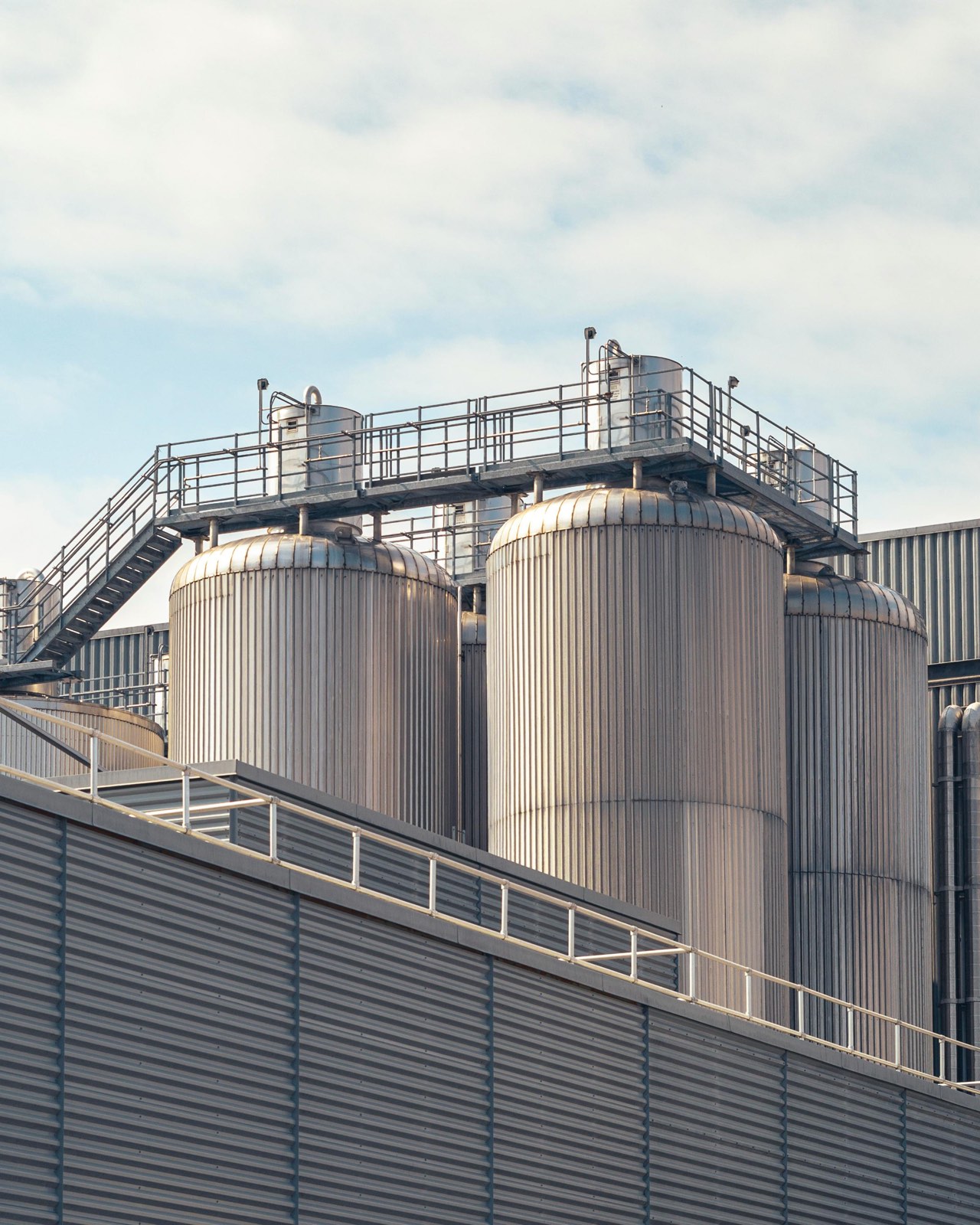
Industrial oxygen, produced in-house
Recycling ships needs a reliable supply of oxygen for cutting. To meet that need, RKB Group established Sai Gases in 2002 — producing and supplying industrial oxygen to its own yards and to the wider market.
An oxygen manufacturing plant produces oxygen gas for industrial, medical and other applications. Air is filtered, compressed and cooled to cryogenic temperatures where it liquefies; oxygen is then separated from nitrogen and other gases in distillation columns, purified to a high standard, and stored for distribution via pipelines, cylinders or tankers.
Factory Details
Cryogenic air-separation plant
- Established 2002
- Plant size —
- Output —
- Purity High
- Distribution Pipeline · Cylinder · Tanker
How we produce oxygen
Cryogenic distillation — the most efficient method of separating oxygen from air.
Intake & filtration
Ambient air is drawn in and filtered to remove dust and impurities.
Compression
Filtered air is compressed to high pressure for efficient cooling and separation.
Cooling & separation
Air is cooled to cryogenic temperatures and separated in distillation columns.
Purify & store
Oxygen is purified to standard, stored and distributed to end users.
Where our oxygen is used
Medical
Respiratory therapy, anaesthesia and life support in hospitals and healthcare facilities.
Industrial
Steel manufacturing, cutting, welding and chemical production requiring high-purity oxygen.
Environmental
Oxygenation of water in treatment plants and other environmental processes.
Aerospace
Liquid oxygen is a critical component of rocket propulsion systems.
Need a reliable oxygen supply?
Talk to Sai Gases about industrial and medical oxygen.